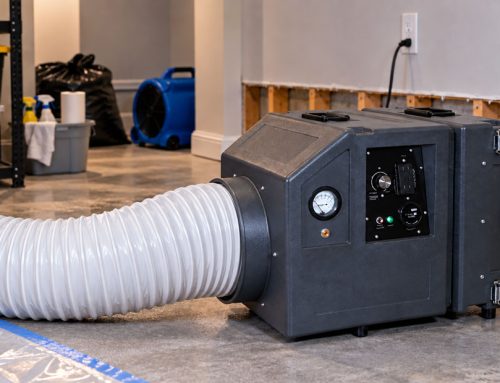
When drying a home after water damage, it is easy to assume that once fans are running, the job is underway. In reality, how air moves through the space matters just as much as having equipment in place. If airflow is uneven, some areas may dry properly while others stay damp much longer.
This uneven drying can lead to hidden moisture, delayed recovery, and issues that appear days or weeks later.
Why Uneven Airflow Causes Problems
Drying depends on consistent air movement across all affected surfaces. When airflow is concentrated in one area and limited in another, moisture does not leave materials evenly.
This often leads to:
- Certain sections drying quickly while others remain damp
- Moisture becoming trapped in corners or along edges
- Extended drying times overall
- Increased risk of odours or long-term damage
Even if a room feels dry in one area, untreated sections can continue holding moisture beneath the surface.
Where Uneven Drying Commonly Occurs
Airflow gaps are more common than most homeowners expect. Some areas naturally receive less air movement, especially if equipment is not positioned correctly.
Common trouble spots include:
- Corners of rooms and along baseboards
- Areas behind furniture or appliances
- Closets and enclosed spaces
- Sections of flooring near walls or transitions
Without direct airflow, these areas can remain damp even while the rest of the space improves.
How to Set Up Air Movers for Better Results
Proper setup makes a significant difference in how evenly a space dries. Air movers should not simply be placed randomly around a room. They need to be positioned to create steady, controlled airflow across all wet surfaces.
For best results:
- Position units low to the ground, angled across flooring and lower walls
- Space multiple units evenly to cover the entire affected area
- Aim airflow across surfaces rather than directly at them
- Open interior doors to allow air to move between rooms
- Adjust placement as drying progresses to target slower areas
The goal is to create consistent air movement throughout the entire space, not just in isolated areas.
Why Strong, Directed Airflow Matters
As drying continues, moisture becomes harder to remove. Surface water evaporates quickly, but deeper moisture requires steady airflow to keep moving out of materials. If airflow weakens or becomes uneven, drying slows down.
Using stronger, more controlled airflow helps:
- Maintain consistent drying across all surfaces
- Prevent stagnant air pockets
- Reduce the chance of hidden moisture remaining
This is where professional-grade equipment makes a noticeable difference.
How Drying Equipment Can Help
For homeowners, having access to properly designed airflow equipment can help ensure drying is done correctly from the start. From our Toronto location, Drying Equipment offers solutions for those who need to rent air movers in Toronto and achieve consistent airflow across their space.
Our Toronto floor dryer rental units are built to direct high-velocity air along floors, baseboards, and lower wall sections, where moisture tends to collect. This helps eliminate uneven drying and supports a more controlled process.
For larger areas or rooms with limited circulation, homeowners can also rent blower fans from us anywhere in Toronto to improve overall air movement and reduce stagnant zones. Our team provides guidance on placement and setup to help ensure each unit is used effectively.
With delivery and pickup available across the GTA, it is easier to adjust your setup as needed and avoid common drying issues. When airflow is evenly distributed, drying becomes faster, more reliable, and far less likely to leave behind hidden moisture.