The fall season is prime time for basement leaks and floods across the Greater Toronto Area. Fall brings leaf‑clogged gutters, wind‑driven rain, and early freeze-thaw cycles, conditions that turn small gaps into basement leaks. As the seasons change, it helps to know exactly what drives fall flooding so you can spot weak points before the next storm. Here’s what typically goes wrong:
- Leaf buildup clogs and overflows the gutters, dumping water beside the foundation.
- Clay‑rich soil stays saturated in cool weather, building pressure and pushing water through cracks.
- Early freeze-thaw cycles widen tiny cracks and gaps around window wells and utility penetrations.
- Sump pumps struggle with debris blockage or improper discharge, sending water back toward the foundation.
Warning signs to catch early
Water problems rarely arrive without clues that can be spotted early. In fall, humidity rises fast during storms and cool nights, so pay attention to how your basement smells, feels, and sounds. Walk the space during or right after rain, and take a quick lap outside to see how water moves around your home. These quick checks can reveal trouble long before you see standing water.
- Musty odour, a clammy feel, or morning condensation on basement windows and cold pipes indicate rising humidity.
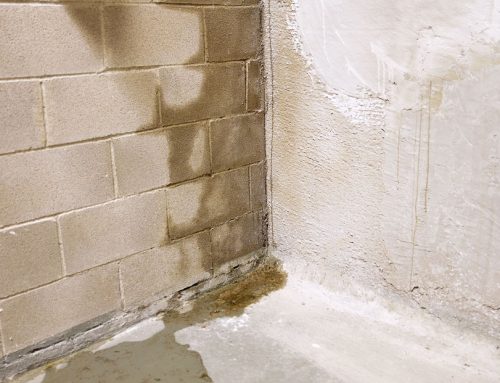
- Efflorescence (white, chalky film) on walls or floors, peeling paint, damp corners, or staining at the cove joint are signs that moisture is moving through concrete or masonry.
- Gurgling drains or slow draining fixtures during rain point to a stressed or partially blocked drain line and potential backup risk.
- High water level in the sump, rapid on/off cycling, or a louder motor are indicators that the pump is struggling or failing and needs attention before the next storm.
- Overflowing gutters, puddles along the foundation, and leaf‑filled window wells are conditions that push water toward the house and raise seepage risk.
Your first steps when water appears
- Stay safe around electricity: Avoid standing water near outlets, power strips, extension cords, and floor level appliances. Shut off power to affected circuits only if you can do so safely.
- Reduce inflow: Clear leaves from downspouts and window wells. Make sure the sump runs freely and the discharge points well away from the house onto a downhill path.
- Remove water: Use a pump or a wet/dry vac. Move rugs and contents to a dry area and elevate furniture to prevent staining.
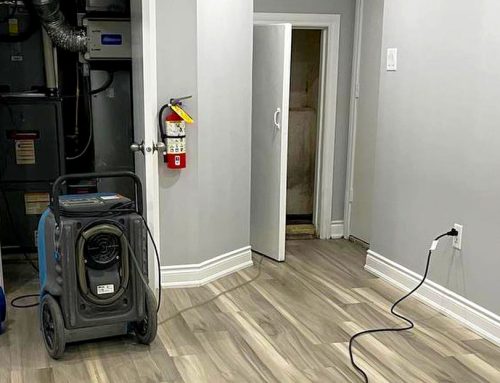
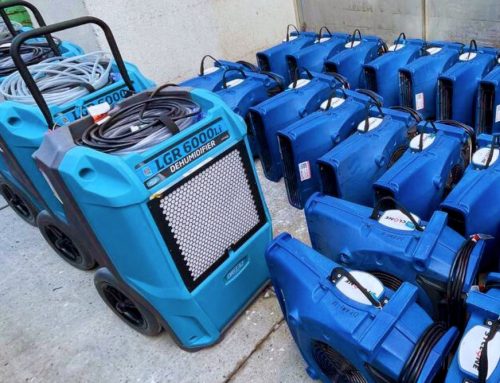
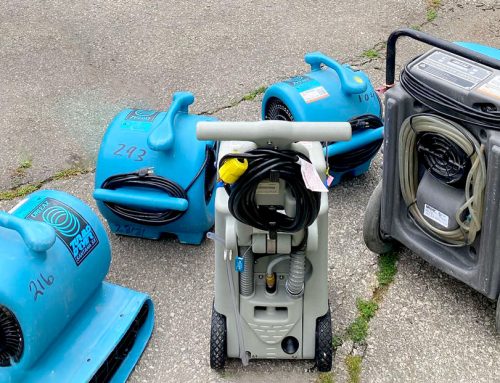
Dehumidifiers do the heavy lifting after extraction, lowering humidity quickly so materials dry before mold sets in. Once you’ve handled the immediate steps, Drying Equipment can help you take care of the rest with our day or night equipment rentals. With our same-day Toronto dehumidifier rentals we can help you choose the right capacity for your square footage and conditions, and provide setup guidance.
A little preparation goes a long way when it comes to fall flooding. Catch the signs early, guide water away from the house, and dry promptly when you need to. With those habits, most basement issues stay small and manageable. If fall storms put you on the back foot, we can help with the right dehumidifier delivered anywhere in the GTA and a quick setup plan, so you can dry out fast and get back to normal.