Flooding can turn a home upside down in a matter of hours. Once the visible water is gone, many homeowners assume the danger has passed. In reality, the period right after a flood is when mold is most likely to develop. Preventing mold after a flood depends first and foremost on drying the space thoroughly and completely, including materials and areas where moisture is not immediately visible.
Why Mold Becomes a Risk So Quickly
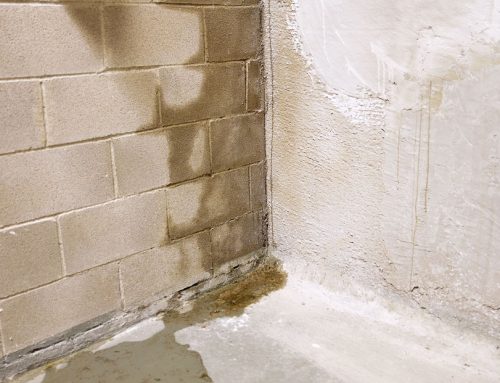
When water enters a home, it does not stay on the surface. Moisture seeps into drywall, framing, flooring, insulation, and baseboards. Even once standing water is removed, these materials can remain damp for days. Mold spores are always present indoors, and when moisture combines with limited airflow, growth can begin sooner than many homeowners expect. Stopping mold means shortening the amount of time materials stay wet.
Immediate Actions After a Flood
Once the water source is addressed, the focus should shift to drying:
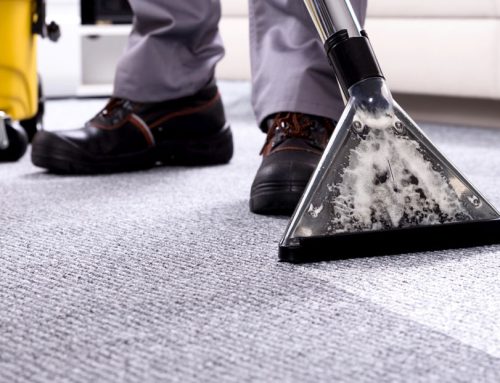
- Lift wet rugs, carpets, and padding to expose underlying surfaces
- Open enclosed spaces by opening closet doors and clearing items so air can circulate
- Begin moving air across all affected areas
Drying should start right away, even if repairs are planned later.
Why Airflow Is Essential for Mold Prevention
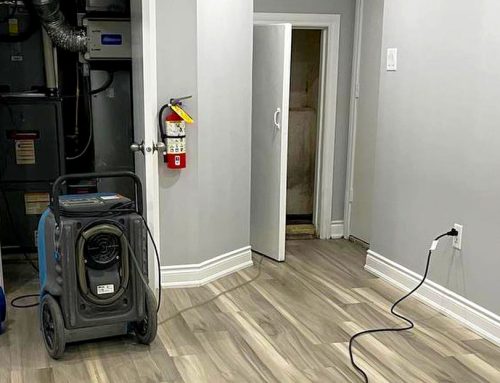
Airflow drives evaporation. Without consistent air movement, moisture remains trapped in surfaces and corners, even if the room feels dry. Standard household fans are not designed for this type of work. They move air loosely and often fail to reach damp zones along floors and walls.
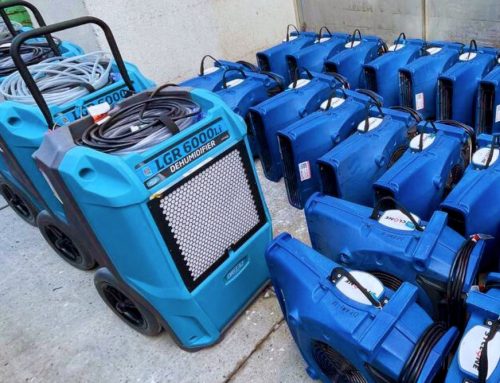
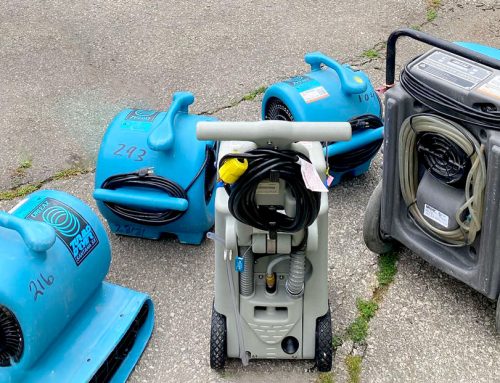
Professional air movers are designed to push high volumes of air at a controlled angle. This focused airflow speeds up evaporation and helps dry materials evenly. At Drying Equipment our air mover rentals have helped many Toronto homeowners achieve professional-level drying without committing to permanent equipment.
Focus on Floors and Lower Walls
Floors and wall bases are common trouble spots after a flood. Water pools low, seeps under flooring, and wicks upward into drywall. Drying these areas thoroughly is critical.
Using a floor blower setup allows air to move directly across wet flooring and baseboards, reducing the chance of moisture becoming trapped underneath. Proper placement along walls and corners helps prevent hidden mold growth that may not show up until weeks later.
Keeping Air Moving to Reduce Mold Risk
Air movers help moisture leave wet materials, but that moisture does not disappear on its own. As water evaporates from floors and walls, it enters the air and raises indoor humidity. Without removing that moisture, drying can stall and damp conditions can remain even with strong airflow.
Dehumidifiers play a key role by pulling moisture out of the air and pair nicely with our Toronto fan rental, allowing air movers to continue drying surfaces efficiently. When used together, air movers and dehumidifiers create a balanced drying environment that shortens drying time and reduces the chance of mold developing during recovery.
How Drying Equipment Helps Homeowners
At Drying Equipment, we provide professional-grade drying solutions tailored for homeowners. Our team helps select the right equipment, explains placement, and offers guidance on how long systems should run to dry materials properly. By using the same type of equipment that restoration professionals rely on, homeowners can make the drying process more effective and reduce the risk of mold. With Drying Equipment, homeowners can protect their property, limit long-term damage, and move forward with confidence after a flood.