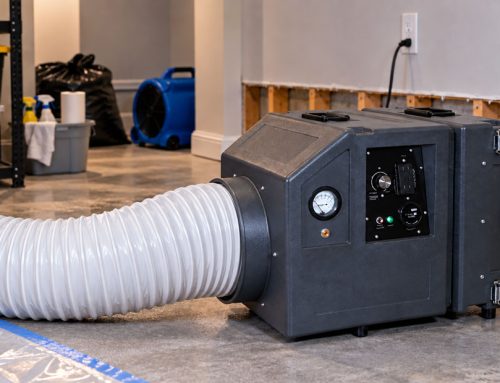
Dealing with water damage can feel overwhelming, and once the water seems to be gone, it is tempting to assume the work is finished and get back to everyday life. At Drying Equipment, we often see situations where the initial cleanup looks successful, but problems surface weeks later because key steps were skipped. Water damage recovery works best when it follows a clear order, and missing even one step can lead to higher repair costs and long-term issues.
Why Surface Cleanup Isn’t Enough
One of the most common mistakes is focusing only on what is visible. Standing water on floors is easy to spot and remove, but water does not stop there. It quickly soaks into carpets, padding, and subfloors. If that trapped water is not removed early, drying takes much longer and moisture can remain hidden beneath the surface.
This hidden moisture is often what causes problems later, even when a room initially looks dry.
The Importance of Extracting Water First
Another step that often gets skipped is proper extraction from carpets and soft flooring using the right equipment. Carpets act like sponges, holding water deep in the fibres and padding, well beyond what surface cleanup can reach. Household vacuums or basic tools are usually not designed to remove this trapped moisture. Running fans or dehumidifiers without first using a proper carpet extractor can slow the recovery process, since the equipment is working against materials that are still saturated.
Using a professional carpet extractor to remove the bulk of the water upfront helps:
- Shortens overall drying time
- Reduces strain on drying equipment
- Lowers the risk of odours and mold forming later
Why Drying Needs Time to Work
Drying itself is another step that is often rushed. Once surfaces feel dry to the touch, it is easy to assume the job is finished. In reality, moisture can still be present beneath flooring, inside wall cavities, and in the air. Keeping airflow and dehumidification running until humidity levels return to normal helps ensure the space is fully dry, not just on the surface.
Stopping drying too early can lead to:
- Lingering dampness
- Musty smells that return days later
- Increased risk of mold growth
Following the Right Order Matters
Water damage recovery is most effective when steps are followed in the proper sequence:
- Remove standing water
- Extract water from carpets and padding
- Dry materials using airflow
- Control humidity until the environment stabilizes
Skipping extraction or cutting drying short often traps moisture, which can result in warped flooring, damaged subfloors, and hidden mold that is far more expensive to address later.
How Drying Equipment Supports Proper Recovery
Having access to the right tools makes it much easier to follow these steps correctly. At Drying Equipment, we help manage recovery from water damage without cutting corners. For homeowners going through this process, being able to rent a carpet extractor from our Toronto location allows them to remove water efficiently before drying begins. To keep the process simple, we also provide delivery and pickup across the Greater Toronto Area, allowing homeowners to focus on restoring their space rather than handling transportation.
If your carpets have absorbed a lot of moisture in a home flood or leak, a carpet water extractor from Toronto‘s Drying Equipment can help reduce drying time and limit long-term damage. Our Toronto carpet extractor rental options provide industrial-strength extraction, using the same equipment trusted by restoration professionals to remove deep-seated moisture from carpets and padding.
Water damage does not have to turn into a costly repair down the road. By following the proper steps and using the right equipment at the right time, homeowners can protect their floors, speed up recovery, and reduce the risk of mold. Taking the time to do it properly from the start is what prevents small water issues from becoming much bigger problems later on.