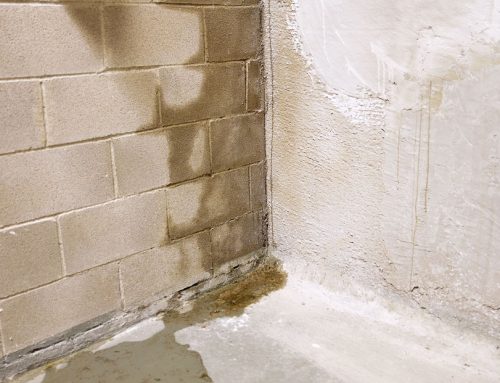
A home flood creates a race against time, and the first 24 hours determine how much structural damage, mold growth, and indoor air contamination may develop. Acting quickly and using the right tools makes a major difference in how effectively a home stabilizes after water intrusion.
Before cleanup begins, safety must come first. If the water may be unsanitary, the area should be treated as hazardous until the source is identified. When the flooding involves debris, sewage, or runoff, calling a professional is best, as contaminated materials often require removal and disinfection. If the water is confirmed to be clean, drying can move forward, but electrical risks and slipping hazards should still be checked before anyone enters the space.
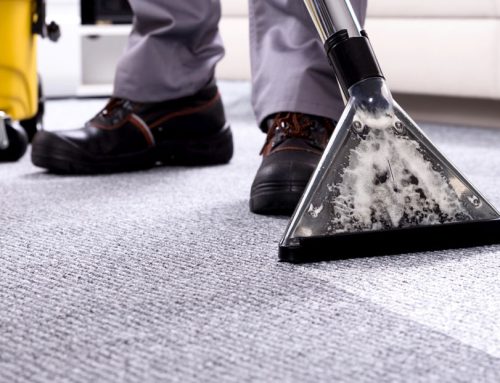
Remove Moisture Trapped in Carpets
Carpets hold a large amount of water, which can quickly spread into the underpadding and subfloor. A carpet extractor removes this deeper moisture and helps prevent odours, warping, and early mold growth. Extracting carpets early gives the best chance of salvaging materials and prepares the space for further drying.
Identify Hidden Moisture
Floodwater often spreads beyond what is visible. An infrared camera helps locate moisture behind walls, under flooring, and inside structural framing so the drying plan targets every affected area. This reduces the risk of mold growth and unnecessary demolition later.
Increase Airflow Across Wet Materials
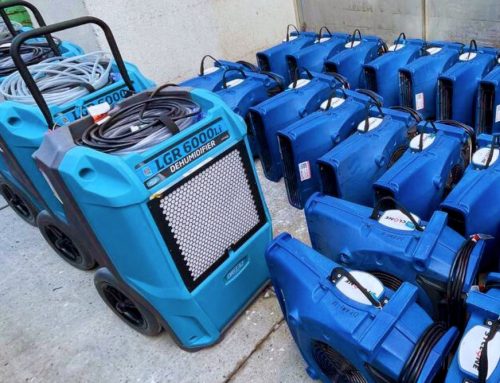
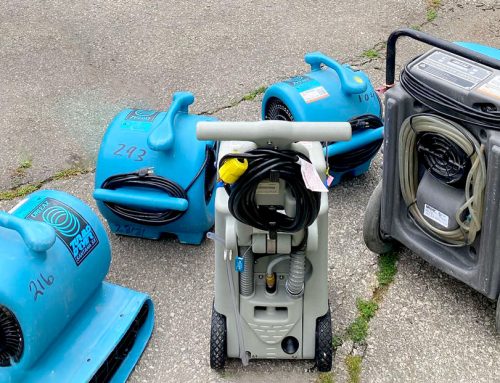
Once surface moisture and hidden dampness have been addressed, airflow becomes the next priority. Air movers accelerate evaporation by pushing moisture off floors and walls. Positioning them low to the ground and directing airflow across wet areas helps moisture escape from materials and move toward the dehumidifier.
Remove Moisture from the Air
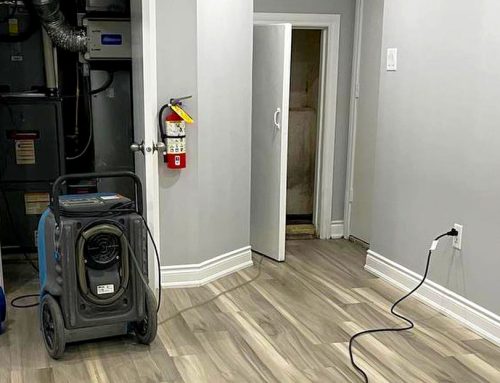
As moisture evaporates, it must be captured quickly or it will settle back into building materials. A basement dehumidifier setup plays a crucial role in this stage. This is where a basement dehumidifier setup becomes one of the most important parts of the flood-recovery process.
Dehumidifiers continuously pull moisture from the air, prevent secondary absorption, and lower humidity to safe levels. They work best in closed spaces and help reduce drying time, especially in basements where humidity lingers. Using a commercial rental dehumidifier in Toronto ensures that moisture is removed at a faster rate than it evaporates, reducing drying time and minimizing long-term damage.
Improve Indoor Air Quality During Drying
As drying progresses, airborne contaminants often increase due to disturbed materials. HEPA air purifiers help keep indoor air safer by capturing dust, spores, and fine debris released during cleanup. They play an important role in improving air quality, especially in areas where drywall, insulation, flooring, or framing has been saturated and disrupted.
Why Drying Equipment Is Essential in the First Day
Effectively managing moisture in the first 24 hours prevents long-term damage, and each tool plays a specific role. Extractors remove liquid water, air movers push moisture outward, dehumidifiers pull it from the air, air purifiers improve air quality, and infrared cameras help ensure no wet areas are overlooked.
Drying Equipment provides a complete lineup of these tools, including air movers, extractors, HEPA purifiers, infrared cameras, and a highly effective home dehumidifier in Toronto. Our equipment is maintained to professional standards and supported with guidance on proper placement and operation, ensuring homeowners have everything they need for a fast, efficient response. No homeowner has to manage a flood alone, Drying Equipment is here with the tools and guidance to help you restore your home safely and efficiently.